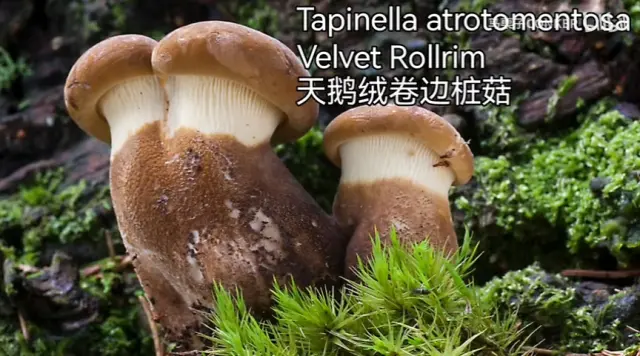
Brown Roll-rim
Distribution
Northern Hemisphere (widespread across Europe, North America, Asia); introduced to South Africa, Australia, and South America
Habitat
Mycorrhizal in woody and grassy areas; under birch, pine, spruce, and other trees. Common in parks, gardens, and forest edges.
Season
Late summer and autumn (July to November)
Toxin Type
Unidentified toxin
Symptoms
Initial GI symptoms (vomiting, diarrhea, abdominal pain). Rare but dangerous Paxillus syndrome: autoimmune destruction of red blood cells (hemolytic anemia) presenting with lower back pain, dark urine (hemoglobinuria), jaundice. Can progress to disseminated intravascular coagulation (DIC), acute kidney failure, shock, acidosis, and multiorgan failure. Can occur after repeated consumption of previously tolerated meals.
Hallucinogenic Effects
No direct hallucinogenic effects. The most alarming visual symptom is the dark red/brown urine (hemoglobinuria) caused by massive red blood cell destruction. Jaundice (yellowing of skin and eyes) develops as hemolytic crisis progresses. The syndrome can be triggered even after years of safe consumption - an antigen accumulates with repeated exposure.