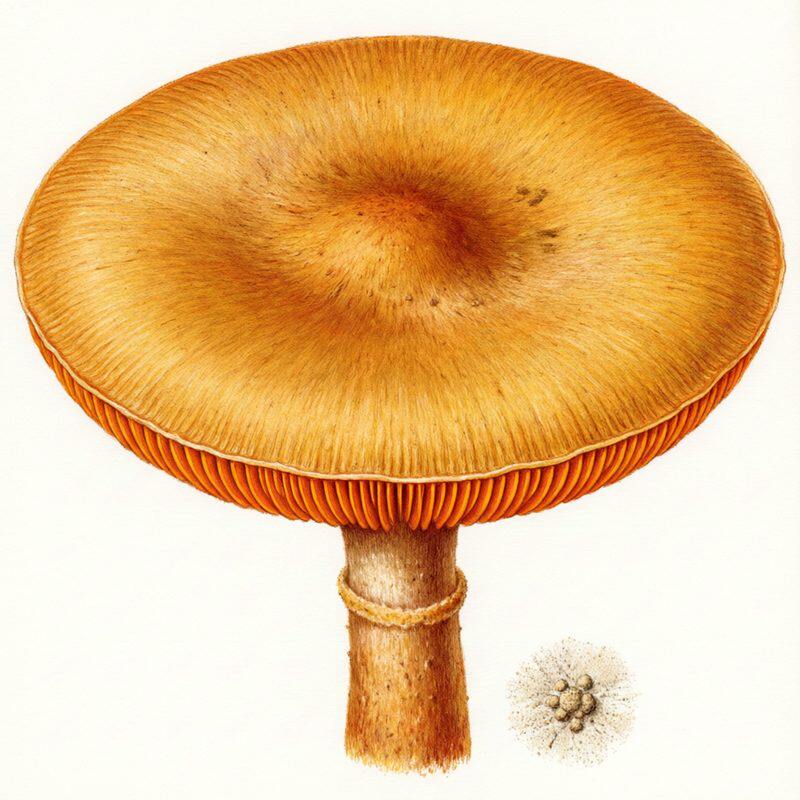
Big Laughing Gym
Distribution
Originally described from Japan (as waraitake). Also reported in North America, Australia, and other regions, though taxonomic confusion exists. Japanese populations (true waraitake) may be distinct from other regional populations. Widespread but identity uncertain outside Japan.
Habitat
Saprobe growing in large clusters on dead hardwood logs, stumps, and buried wood. Found in forests, particularly on oak and other hardwoods. Prefers well-decayed wood in warm, humid conditions. Often fruits in spectacular large clusters.
Season
Late summer through autumn (July to November). Fruits in warm, humid conditions. Large clusters can appear rapidly after rain on suitable wood.
Toxin Type
psilocybin (presence disputed), bis-noryangonin, hispidin
Symptoms
High likelihood of gastrointestinal distress: nausea, vomiting, stomach cramps, diarrhea. Physical illness often dominates the experience. Dizziness and headache common. Effects highly unpredictable between specimens.
Hallucinogenic Effects
Visual: When active: mild to moderate visual distortions. Color enhancement. Less intense than Psilocybe visual effects. Visual experience less well-documented due to variable and unreliable potency. Mental: In Japanese tradition (waraitake), produces euphoria and uncontrollable laughter. When psychoactive: hallucinations, mood elevation, and altered perception possible. Effects unreliable and often overshadowed by physical illness. Japanese accounts describe a pleasant, giggly experience; Western accounts more often describe only illness. The psychoactive compounds may differ from standard psilocybin. Timeline: Variable. Often preceded by 30-60 minutes of gastrointestinal discomfort. Psychoactive effects, when present, last 2-4 hours.