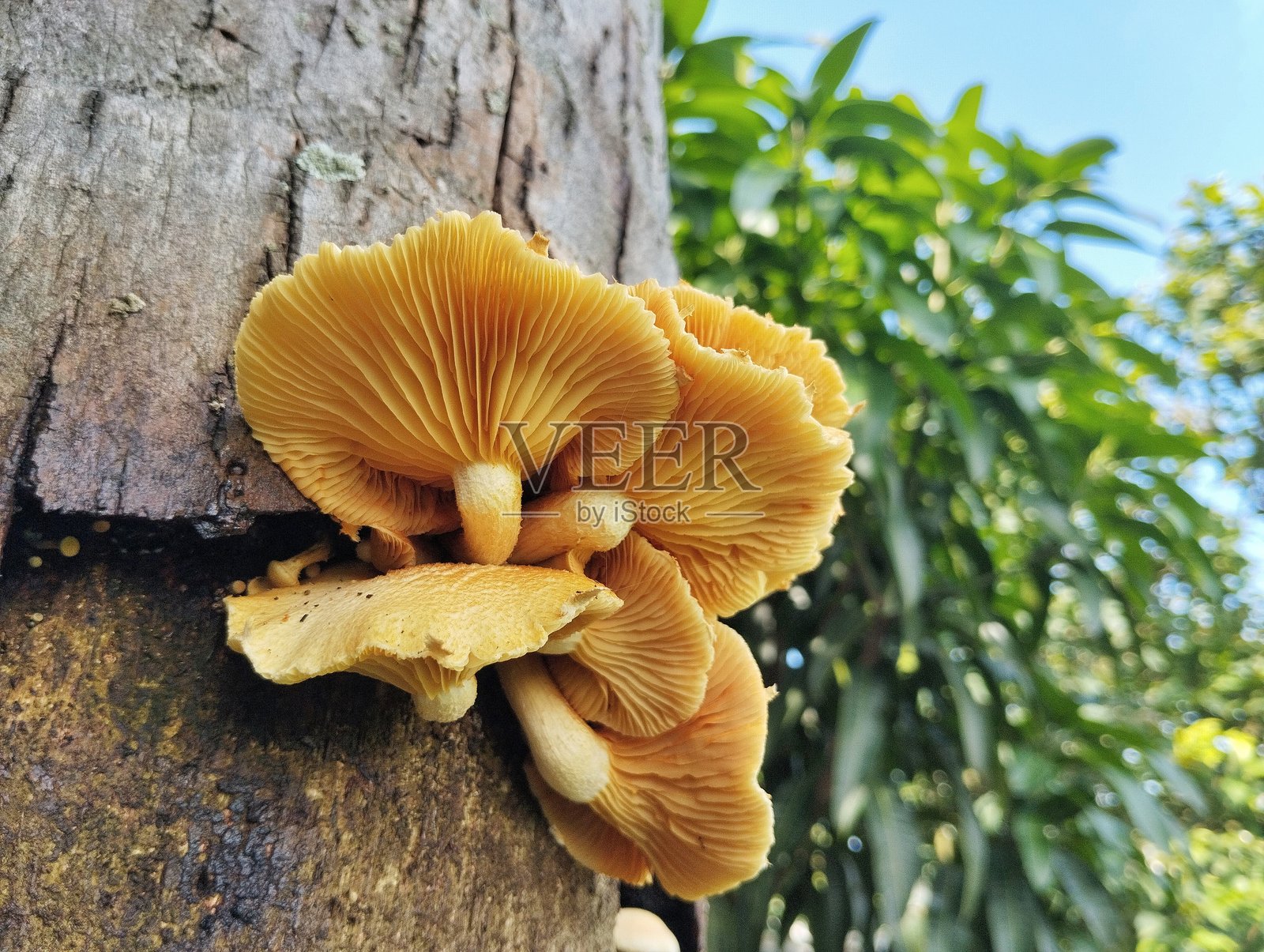
Laughing Gym
Distribution
Widespread globally: Australia, Brazil, Canada, China, Fiji, Germany, India, Israel, Japan, Korea, New Zealand, Peru, Russia, Spain, United States, Uruguay. Debate exists about whether North American populations are the same species as Asian/Australian ones.
Habitat
Saprobe growing in dense clusters (cespitose) on dead hardwoods and conifers. Found on stumps, logs, buried wood, and tree bases. Appears everywhere that decaying wood can be found. Common in forests, parks, and urban areas with dead trees.
Season
Summer and fall in most regions. Fall through spring on the West Coast of North America. One of the longest fruiting seasons among psychedelic mushrooms.
Toxin Type
psilocybin (disputed - some populations may lack it), bis-noryangonin, hispidin
Symptoms
More likely to cause gastrointestinal distress than other psychedelic species: nausea, vomiting, stomach cramps, diarrhea. Physical illness often precedes or replaces psychoactive effects. Dizziness and headache possible. Effects more unpredictable than Psilocybe species.
Hallucinogenic Effects
Visual: When psychoactive effects occur: mild visual enhancements, color changes. Less intense visual distortions compared to Psilocybe species. Visual effects less well-documented due to variable potency. Mental: When psychoactive: may trigger mild kava-like relaxation effects, or more intense psychedelic symptoms including hallucinations, euphoria, and uncontrollable laughter (hence the name 'Laughing Gym'). Effects highly variable between populations and individual specimens. Less predictable and less intense than Psilocybe experiences. Some users report pleasant mild effects; others get only illness. Timeline: Variable onset. Duration approximately 2-4 hours when effects occur. Often preceded by significant gastrointestinal discomfort.