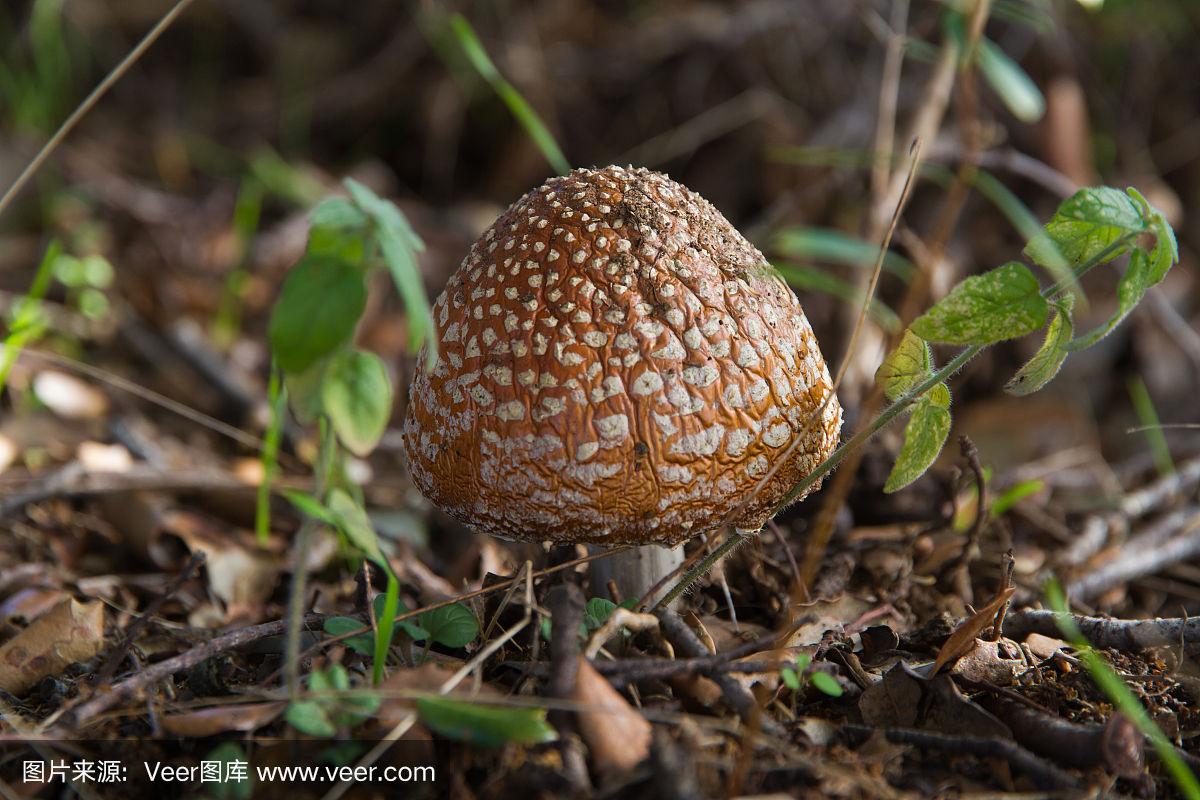
Panther Cap
Distribution
Central and Western Europe, Asia, and North America. Also reported from South America, Australia, and New Zealand (likely introduced). Widespread across temperate regions of the Northern Hemisphere.
Habitat
Ectomycorrhizal with both deciduous and coniferous trees. Partners with oak (Quercus), pine (Pinus), beech (Fagus), and other forest trees. Prefers well-drained forest soils and moist, nutrient-rich ground. Found in mixed woodlands and forests.
Season
Late summer through autumn (approximately August to October). Fruiting is heavily dependent on moisture conditions and rainfall. Warm temperatures combined with humidity create ideal conditions.
Toxin Type
Ibotenic acid, Muscimol
Symptoms
Onset within a few hours of ingestion. Confusion, dizziness, visual and auditory hallucinations, muscle twitching (myoclonus), nausea, vomiting, and potential seizures. Extreme poisoning may lead to severe dehydration, dysphoric effects, and prolonged delirium.
Hallucinogenic Effects
Active constituents influence perception and sensory experience in ways that differ from classical psychedelics (psilocybin, LSD). Produces deliriant states characterized by motor depression, euphoria, and pronounced sensory distortions. Users report visual and auditory hallucinations, altered sense of time, and profound detachment from reality. The experience is often described as more sedating and less visually vivid than psilocybin mushrooms, with a stronger body load. Effects on the central nervous system are potent, sought by some for mood enhancement, calming effects, and discomfort relief, though the unpredictable potency makes dosing dangerous.