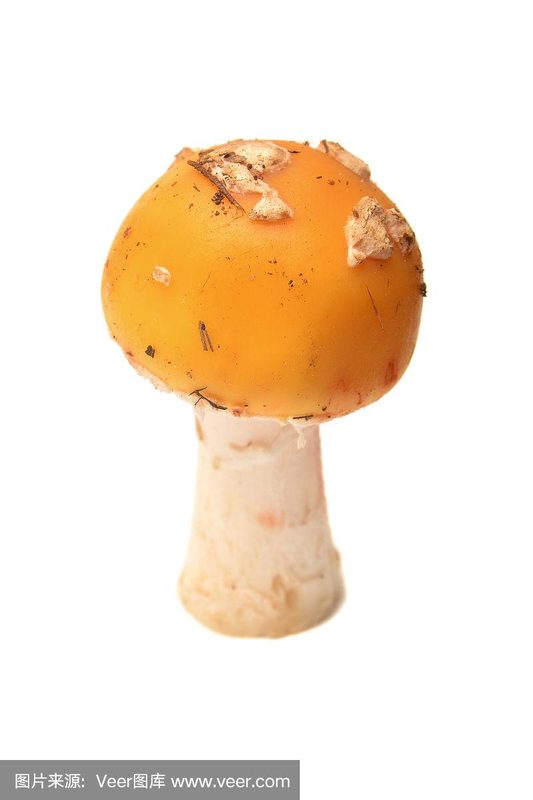
Jewelled Amanita
Distribution
Southern Europe (abundant in France and Portugal), rare in Britain and Ireland. Also recorded from North America, Asia, and North Africa. Widespread across Mediterranean and temperate regions.
Habitat
Mycorrhizal with conifers, particularly pines (Pinus). Sometimes associates with hardwoods including cork oak (Quercus suber). Favors sandy soil in coastal pine forests and cork oak woodlands. Often found in warm, sandy, well-drained locations.
Season
July to late November in Britain. Extends several weeks later in southern Europe. Fruits from summer through late autumn.
Toxin Type
Ibotenic acid, Muscimol
Symptoms
Symptoms similar to those associated with the Fly Agaric (Amanita muscaria). Includes nausea, vomiting, diarrhea, dizziness, confusion, and neurological symptoms. Onset typically within 30 minutes to 2 hours.
Hallucinogenic Effects
Yes, confirmed as hallucinogenic. Genetically close to Amanita muscaria and shares a similar alkaloid profile (ibotenic acid and muscimol). Produces psychoactive effects including altered perception, visual distortions, and dream-like states, though generally considered less potent than A. muscaria or A. pantherina. Historical synonyms include Agaricus gemmatus, Amanitopsis gemmata, and Amanita junquillea.